

Your insulation contractor for every part of the house
Complete Home Comfort is the licensed insulation contractor homeowners across 47 Massachusetts municipalities and all 26 Rhode Island municipalities call when a house needs work in more than one place at once. This page is where every one of our nine insulation services starts, from the attic down to the crawl space.
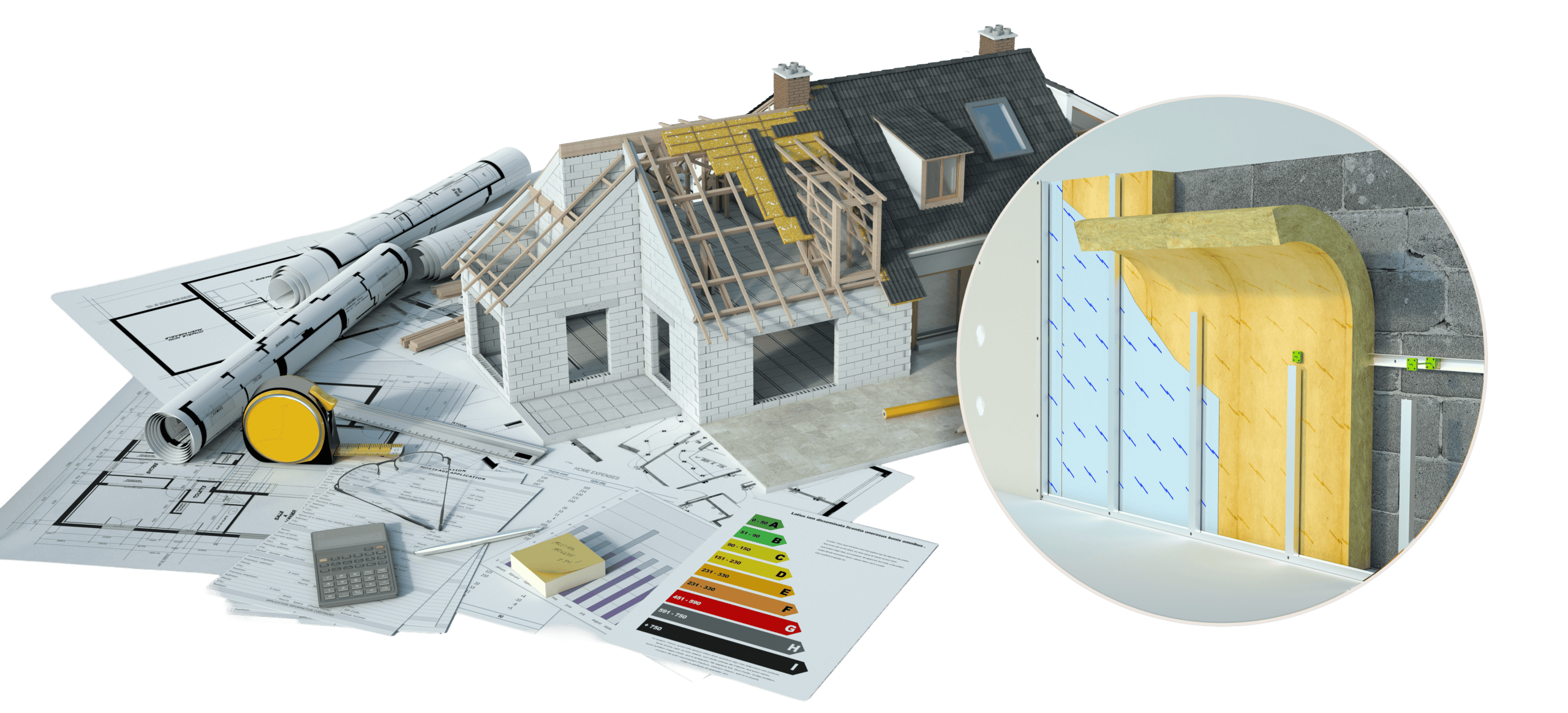
Air sealing, attic, walls, garage ceiling, basement, and crawl space, treated as one connected building envelope rather than nine separate jobs.
What a residential insulation contractor actually does
A residential insulation contractor is not the same as a store that sells bags of fiberglass off a shelf. The job starts with looking at the whole building envelope, deciding what order the work needs to happen in, and installing it under a licensed crew rather than handing a homeowner a product and a set of instructions.
Complete Home Comfort scopes every job the same way, in three steps, before a single truck is scheduled.
Assessment
A technician walks the attic, the walls, the basement or crawl space, and the garage ceiling, and notes which parts of the house are doing their job and which parts are not.
Utility program approval
The scope follows the program for the address before material is ordered: Mass Save in Massachusetts or Rhode Island Energy through RISE in Rhode Island. Approval comes before installation so incentive eligibility is clear.
Install
The crew that did the assessment does the work, in the order that actually fixes the house rather than the order that happens to be easiest to schedule.
How the nine services relate, and the order they are usually done in
Air sealing comes before insulation on every job, without exception. Insulation slows heat moving through a material, while air sealing stops air moving through a gap, and a house with unsealed gaps will lose comfort around new insulation the same way it lost comfort around the old material. After the envelope is sealed, the attic is usually next, because more heat leaves a New England house through an uninsulated attic than through any other single area. From there the job moves to the shell, the exterior walls, and finally to the floors over unheated space: the garage ceiling, the basement, and the crawl space. Wherever the old material is wet, compressed, or chewed through, removal has to happen before anything new goes in.
1. Whole-Home Air Sealing
Closes the gaps first, so the insulation that comes next has something to hold onto.
2. Attic Insulation
The single biggest area of heat loss in an uninsulated New England attic, addressed right after sealing.
3. Blown-In Insulation
The loose-fill material an attic floor gets built up with, cellulose or fiberglass depending on the house.
See blown-in insulation4. Ice Dam Prevention Insulation
Attic air sealing and insulation together are what keep a roof cold enough that ice never gets the chance to dam.
5. Wall Insulation
Dense-packed into the exterior wall cavity once the attic is handled, the same shell the air sealing just closed.
6. Old Insulation Removal
Wet, compressed, or rodent-damaged material comes out before new material goes in, wherever it turns up.
7. Garage Ceiling Insulation
The floor of the room above a garage, one of the coldest floors in a house until this gets done.
8. Basement Insulation
The rim joist and basement ceiling, where a lot of heat leaves through an unfinished foundation.
9. Crawl Space Insulation
A vented or encapsulated crawl space, insulated to stop the cold and the moisture that come with it.
Which service matches what the house is doing
A homeowner usually calls about a symptom, not a diagnosis. Pick the one below that sounds like your house, and see which service usually fixes it.
Points to attic insulation
Heat rises, and an uninsulated attic floor is the largest exit it has in a New England house.
Points to wall insulation
A single room that will not hold heat usually has more exposed exterior wall, or an empty wall cavity, than the rooms around it.
Points to garage ceiling insulation
An uninsulated garage ceiling puts an unheated space directly under a living room or bedroom floor.
Points to whole-home air sealing
That draft is air moving through a gap, a different job from insulating the cavity behind it.
Points to ice dam prevention
Heat escaping into the attic melts snow on the roof, and it refreezes at the cold eave, the classic sign of an attic that is not sealed or insulated to code.
Points to basement insulation
An unfinished basement or an uninsulated rim joist puts cold air directly under the first floor.
Points to crawl space insulation
A vented crawl space brings in outside air and outside moisture at the same time, and both show up as a smell and a cold floor above it.
Points to old insulation removal
Material in that condition has to come out before anything new can be installed on top of it or beside it.
In plain terms: an always-cold upstairs points to the attic, one room that will not warm up points to a wall, a cold floor near the garage points to the garage ceiling, drafts at outlets point to air sealing, ice at the gutters points to the attic and roof together, a cold floor over the basement points to the basement, a musty crawl space points to crawl space work, and old or damaged material has to come out before anything else goes in.
What working with a licensed insulation contractor looks like
A big-box store sells a homeowner a pallet of batts and leaves the rest to them. A handyman can staple insulation into a wall, but is not the one submitting a scope through Mass Save or Rhode Island Energy through RISE and supervising the install under the registrations and licenses applicable to the address. Complete Home Comfort does both.
Owner Douglas J. Stewart holds the Massachusetts Construction Supervisor Specialty license for insulation work, and Complete Home Comfort also holds Rhode Island Residential Contractor Registration GC-39983. The paperwork, including scope submission, incentive application, and utility-program approval, is handled in house rather than left for the homeowner to file.
Utility incentives, our credentials, and where we work
Massachusetts households follow Mass Save, while Rhode Island households follow Rhode Island Energy programs administered by RISE. Eligibility, approved measures, and incentive levels depend on the address and written scope; the energy programs section compares both paths.
Complete Home Comfort serves 73 communities across nine counties: 47 municipalities in Massachusetts and all 26 municipalities in Rhode Island. The full state and county breakdown is on the service areas page.
Start with a free assessment for your whole house
The same assessment that scopes one service scopes all nine, since most homes need more than one. It is free, it ends with a written plan, and nothing is ordered until you have seen it.